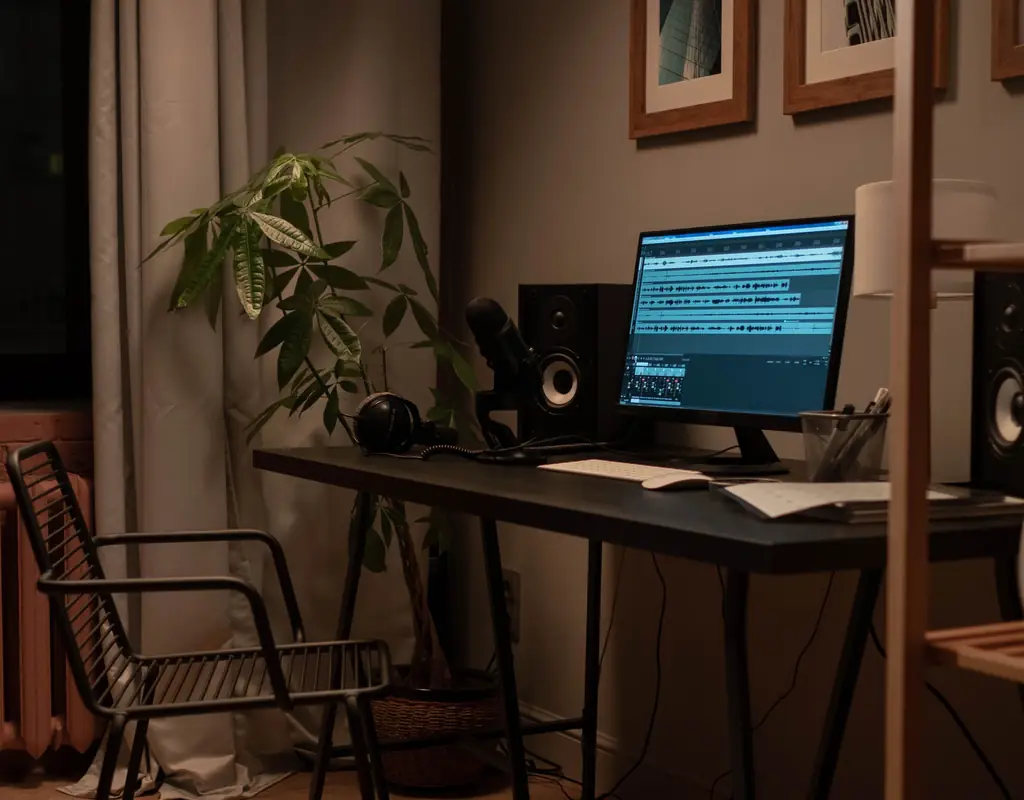
A small home office can give you a dedicated place to work, but noise can make it difficult to concentrate. When your workspace is part of a bedroom, living room, dining area, or another shared space, everyday sounds can become distracting.
You may hear conversations from another room, traffic outside the window, footsteps in a hallway, television sounds, kitchen activity, or the hum of office equipment. You do not necessarily need to completely soundproof the room to make your workspace feel quieter.
These small home office noise reduction ideas focus on practical changes that can help reduce distractions and create a calmer workspace without major construction or complicated renovations.
1. Place Your Desk Away From the Main Sources of Noise
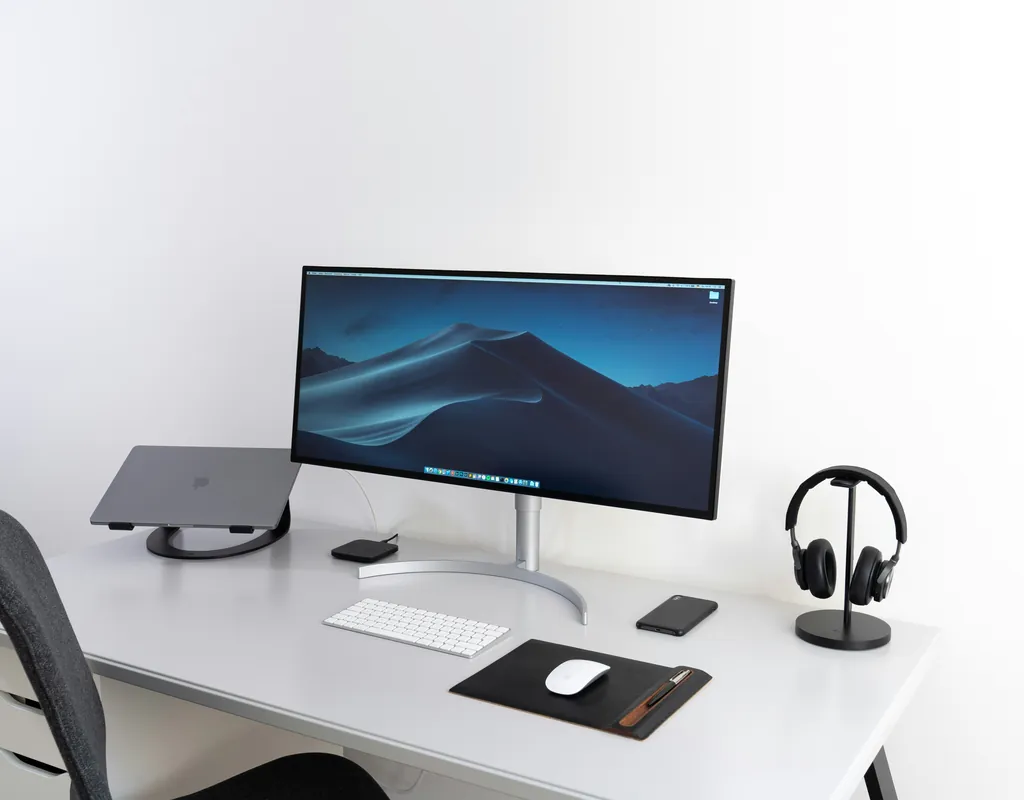
One of the simplest ways to make a small home office quieter is to think carefully about where the desk is positioned.
If your desk is directly beside a busy doorway, next to the television, or close to a kitchen entrance, you may be exposed to more interruptions throughout the day.
Moving the desk even a short distance away from the busiest area can sometimes make the workspace feel more comfortable.
Look around your room and identify where most of the noise comes from. It might be a hallway, window, door, appliance, or another part of the home.
Find the Quietest Practical Position
You do not need to find a completely silent location.
Instead, look for a position where:
- People pass by less often
- Household conversations are less noticeable
- The desk is not directly beside a noisy appliance
- Outside traffic is less distracting
- You can work without constantly turning toward activity
A small change in desk position may be easier and cheaper than adding new materials to the room.
For more ideas about arranging a compact workspace, see our guide to Small Home Office Desk Organization Ideas.
2. Reduce Echo With Soft Furnishings
Hard surfaces can make a small room sound more noticeable because sound can reflect around the space.
A room with a bare floor, empty walls, and very little furniture may feel louder or more echoey than a room with softer surfaces.
Adding practical soft furnishings can help make the room feel less harsh.
A rug, curtains, upholstered furniture, or other fabric surfaces can change how sound behaves inside the room. These additions do not completely block outside noise, but they can help reduce some of the sound reflections inside the workspace.
Do Not Overfill the Room
The goal is not to cover every surface.
A small home office still needs enough open space to remain comfortable. Instead, consider which hard surfaces are contributing most to the echo.
For example, a rug can soften a hard floor while curtains can add another soft surface near a window.
The best approach is to make small changes and see whether the room feels calmer.
3. Check the Door for Unwanted Noise
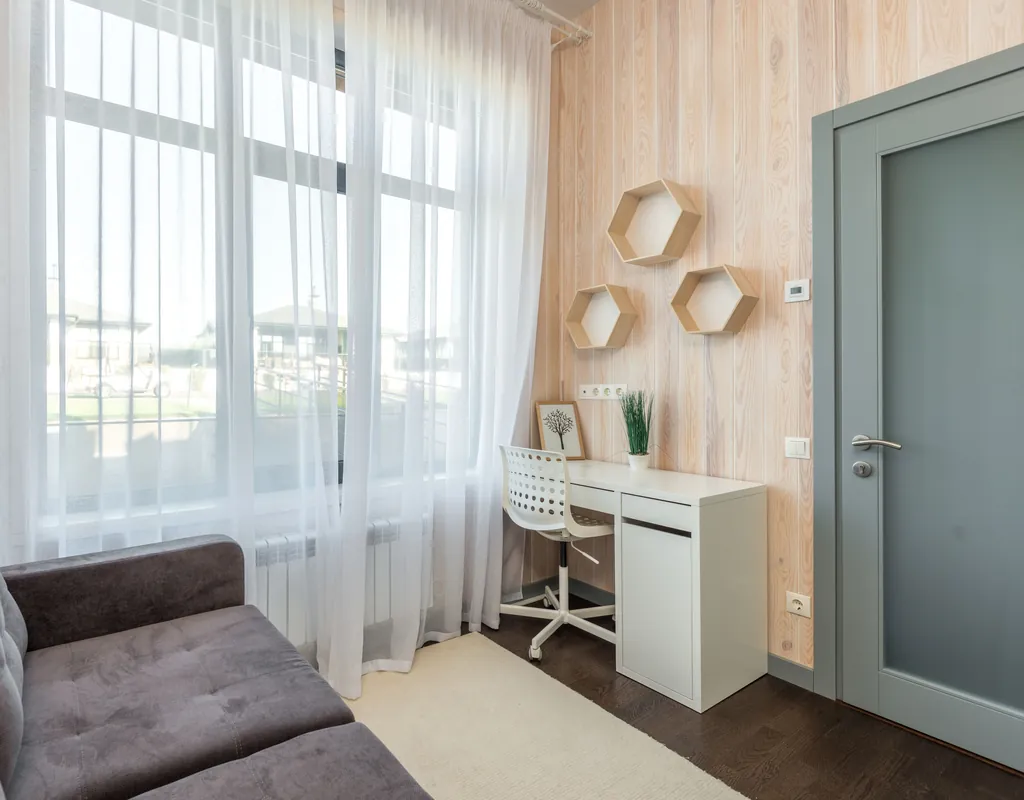
Doors can allow sound to pass between a home office and the rest of the house, particularly when there are noticeable gaps around the frame or underneath the door.
If household noise is entering through the doorway, inspect the area around the door before making larger changes.
You may notice a gap beneath the door or around the frame. Addressing obvious gaps can be a more practical first step than trying to change the entire room.
Start With the Obvious Gaps
Check:
- The space underneath the door
- Gaps around the door frame
- Whether the door closes properly
- Whether noise is noticeably louder when the door is open
A suitable door seal or sweep may help reduce some airflow and noise transmission around the opening, although it will not make a typical home office completely soundproof.
If you rent your home, simple removable solutions may be preferable to permanent modifications.
4. Manage Noise Coming Through Windows
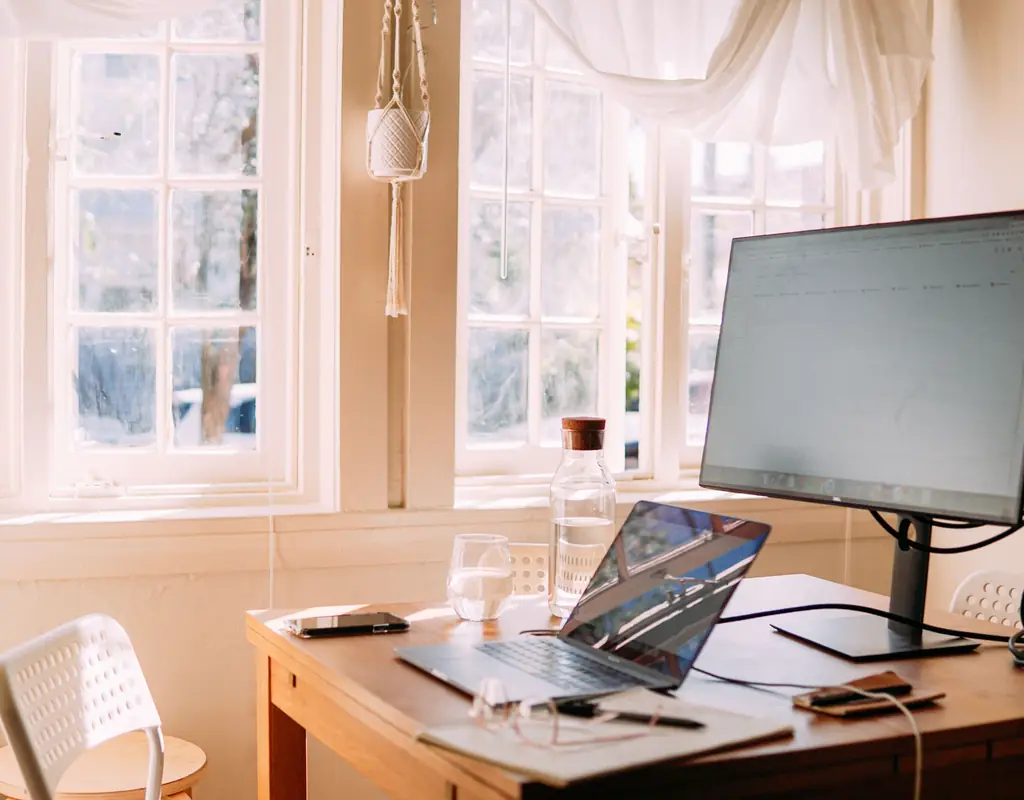
Windows can be another source of unwanted noise, especially when a home office faces a busy road, shared outdoor area, or other active space.
Before making expensive changes, pay attention to when the noise is most noticeable.
Traffic may be louder at certain times of the day. Outdoor conversations may become more noticeable when windows are open. Even small gaps can affect how much outside sound reaches the room.
Use the Window Based on the Problem
If outside noise is your main issue, consider practical steps such as:
- Keeping the window closed during your busiest work periods
- Using curtains to add another soft surface
- Positioning the desk farther from the window when possible
- Checking whether there are obvious gaps around the window
- Scheduling demanding work during quieter periods when practical
These steps are about reducing everyday distraction rather than creating a professionally soundproofed room.
5. Create a Quieter Zone for Calls and Meetings
Noise can be especially frustrating when you are attending video meetings or making important calls.
Even if the room cannot be completely quiet, you can create a more suitable area for conversations.
Think about where your desk microphone picks up the most distracting sounds. A nearby television, open doorway, hallway, or kitchen can create interruptions that are more noticeable during calls.
Position the Workspace for Better Focus
If possible, place your desk so that the main sources of household activity are not immediately beside you.
A partial screen or furniture arrangement may also help define the work zone, but the goal should be practical rather than creating a closed-off room.
If a conversation requires genuine acoustic privacy, simple noise reduction may not be enough. A more enclosed room or a proper sound-isolation solution may be necessary depending on the situation.
If privacy is also a concern in your workspace, see our guide to https://buyfacto.com/small-home-office-privacy-ideas/
6. Reduce Noise From Your Own Office Equipment
Not all home office noise comes from other people or outside the room.
Your own equipment can contribute to the background noise.
Desktop computers, cooling fans, printers, speakers, and other devices can produce sounds that become more noticeable during long periods of quiet work.
Identify the Noisiest Equipment
Listen to your workspace when the room is otherwise quiet.
You may notice that one particular device creates most of the background noise.
Consider whether that device needs to remain close to your desk. If it does not, moving it to a more suitable location may make the workspace more comfortable.
For example, a printer does not always need to sit directly beside your monitor and keyboard. Moving equipment away from the main work position can also create a cleaner and calmer working environment.
The aim is not to eliminate every sound. It is to prevent unnecessary noise from sitting directly beside you throughout the workday.
7. Build a Simple Quiet-Work Routine
A quieter workspace is not only about physical changes.
Your daily routine can also affect how much noise and interruption you experience.
If you work in a shared home, other people may not realize when you need uninterrupted time. A simple routine can make expectations clearer.
Make Quiet Periods Easier to Maintain
You could establish specific periods for tasks that require deeper concentration.
During those periods:
- Keep unnecessary notifications off
- Close the door if practical
- Avoid placing the desk directly in a busy pathway
- Let household members know when you are in an important meeting
- Use headphones when appropriate
- Schedule demanding tasks during naturally quieter periods
This does not require turning your home office into a completely isolated room.
Instead, the goal is to create predictable periods when distractions are less likely to interrupt your work.
What Is the Difference Between Noise Reduction and Soundproofing?
Noise reduction and soundproofing are related, but they are not exactly the same.
Noise reduction can involve simple changes that make a workspace feel calmer, such as reducing echo, moving the desk away from noise sources, managing door gaps, or using softer furnishings.
True soundproofing is more concerned with reducing sound transmission between spaces. It can require heavier barriers, sealed gaps, structural changes, or other construction methods.
For many small home offices, the goal does not need to be complete silence.
A more realistic goal is to reduce the most distracting sounds and make the workspace easier to work in.
What Is the Best Way to Reduce Noise in a Small Home Office?
There is no single solution that works for every workspace.
Start by identifying the biggest source of noise.
If the main problem is household activity, desk placement and a defined work zone may help.
If the room has too much echo, soft furnishings may make it feel calmer.
If noise is entering through a door or window, inspect those areas for obvious gaps.
If equipment is creating constant background noise, consider whether the noisiest device can be moved farther away.
Starting with the biggest problem usually makes more sense than changing everything at once.
Can Rugs and Curtains Make a Small Home Office Quieter?
Rugs and curtains can help reduce reflections inside a room, particularly when the space contains many hard surfaces.
However, they should not be treated as complete soundproofing solutions.
A rug may help soften a hard floor, while curtains add another soft surface near a window. Their main benefit is improving the acoustic feel of the room rather than completely blocking outside noise.
These small home office noise reduction ideas can help create a quieter workspace without requiring major changes to the room.
Should I Use Acoustic Panels in a Small Home Office?
Acoustic panels can be useful when the main problem is echo or reflected sound inside the room.
They are different from full soundproofing.
If noise is coming through a wall, door, or window, adding a few panels to the wall may not solve the underlying problem. Acoustic treatment is more useful when the room itself sounds harsh or echoey.
Before buying anything, identify whether you are trying to reduce outside noise or control sound reflections inside the room.
How Can I Reduce Noise Without Making My Small Office Feel Crowded?
Start with changes that do not take up much floor space.
For example, repositioning the desk, adjusting the window treatment, sealing an obvious door gap, or creating a quieter work period can be more practical than adding large pieces of furniture.
If you add a screen, rug, curtain, or acoustic treatment, choose an option that fits the size of the workspace.
A noise solution should make the office more comfortable, not create another space problem.
Small Home Office Noise Reduction Ideas: Quick Checklist
Before changing your workspace, ask:
- Where is most of the unwanted noise coming from?
- Is the main problem outside noise, household activity, or room echo?
- Is the desk positioned near a busy walkway?
- Are there obvious gaps around the door or window?
- Does the room have many hard surfaces that create echo?
- Is any office equipment creating unnecessary background noise?
- Can important calls be scheduled during quieter periods?
- Can you reduce noise without making the workspace feel crowded?
- Have you tried the simplest solution before making a larger change?
Final Thoughts
A small home office does not need to be completely silent to become a better place to work.
The most useful approach is to identify the sounds that cause the biggest distractions and address those first. Moving the desk, reducing echo, checking door and window gaps, managing equipment noise, and creating quieter work periods can all contribute to a more comfortable workspace.
The goal is not perfect silence. It is a workspace where everyday noise is less distracting and where you can concentrate more easily.
Small changes can make a meaningful difference when they are chosen around the actual noise problems in your room.
For more practical ideas for compact workspaces, you can also explore our Small Home Office guides.