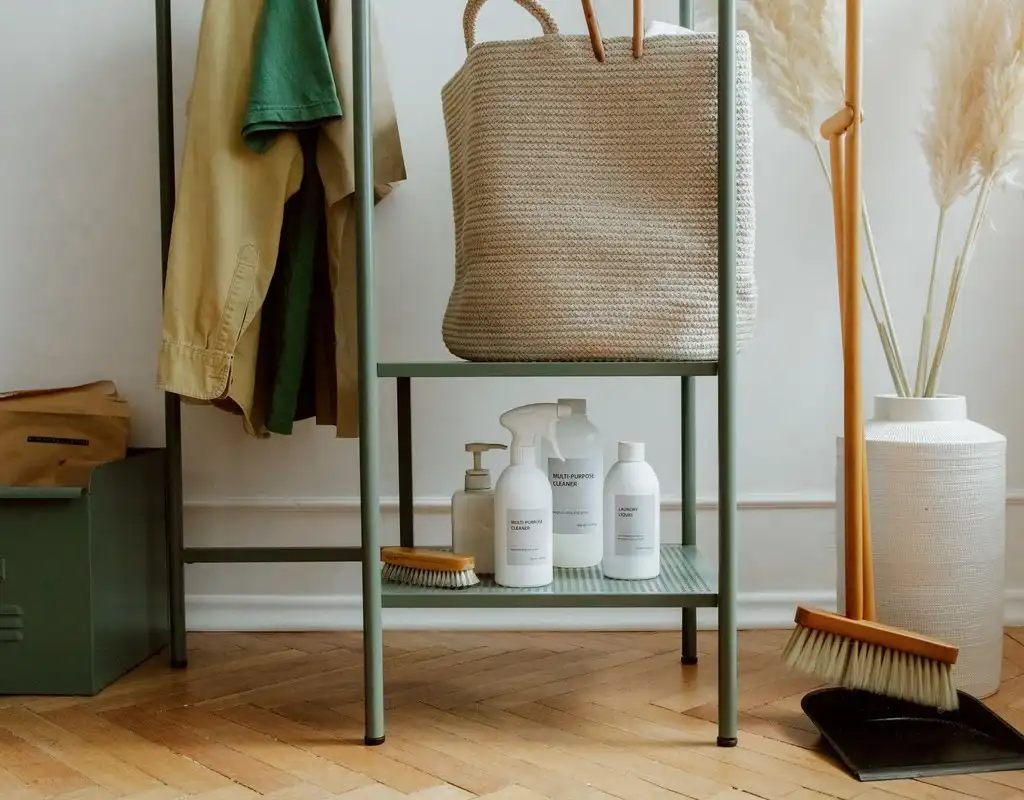
Cleaning a small apartment sounds like it should be quick. Less floor, fewer rooms, less to wipe down. In practice, the apartment’s size rarely matters as much as the size of the cleaning tools themselves — a full-size vacuum, a broom too long for a narrow closet, a shelf of spray bottles. All of that takes up real space, whether the apartment is 400 square feet or 4,000.
Most cleaning products are still designed for an average-size home with a utility closet to spare. A small apartment usually doesn’t have one, so every tool ends up needing to either store small, pull double duty, or both. Once your laundry setup is sorted, cleaning tends to be the next thing competing for the same limited storage — our guide on Small Apartment Laundry Products covers that side of it.
Some links in this guide are affiliate links. If you buy through them, we may earn a commission at no extra cost to you.
Why Cleaning Tools Take Up More Room Than the Cleaning Itself
A vacuum cleaner sitting in a closet all week takes up the same amount of space whether it’s been used once or not at all. Same goes for a mop, a full-size broom, or a shelf of spray bottles bought one at a time for different surfaces — they’re just as bulky sitting idle as they are in use.
The tools themselves tend to be the actual problem here, not the cleaning. Wiping down a 500-square-foot apartment doesn’t take long. Finding somewhere to put a full-size mop and bucket afterward is usually the harder part. The fix isn’t cleaning less — it’s picking tools built for a home that never had a utility room to begin with.
Choose a Compact Vacuum Cleaner
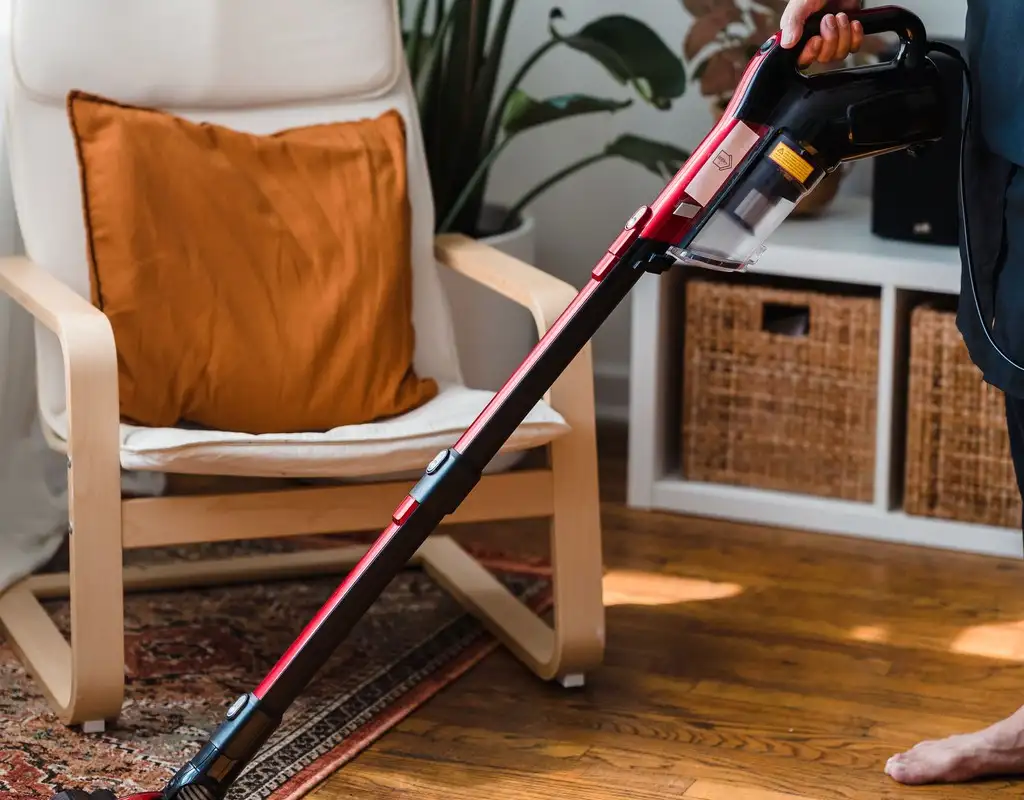
A full-size upright vacuum was designed with wall-to-wall carpet and a hall closet in mind. In a small apartment it’s often the single largest cleaning tool in the home, and more often than not, it’s more machine than the floor actually calls for.
A compact stick vacuum or a smaller cordless model handles most small-apartment floors just as well while taking up a fraction of the closet space. It’s lighter to carry between rooms, too, and cordless models skip the cord-management headache a corded vacuum creates in a space with limited outlets.
Skip it if: your floors are mostly hard surfaces with light daily mess. A handheld vacuum paired with a broom may cover everything without needing a full stick vacuum at all.
Use a Slim Broom and Dustpan
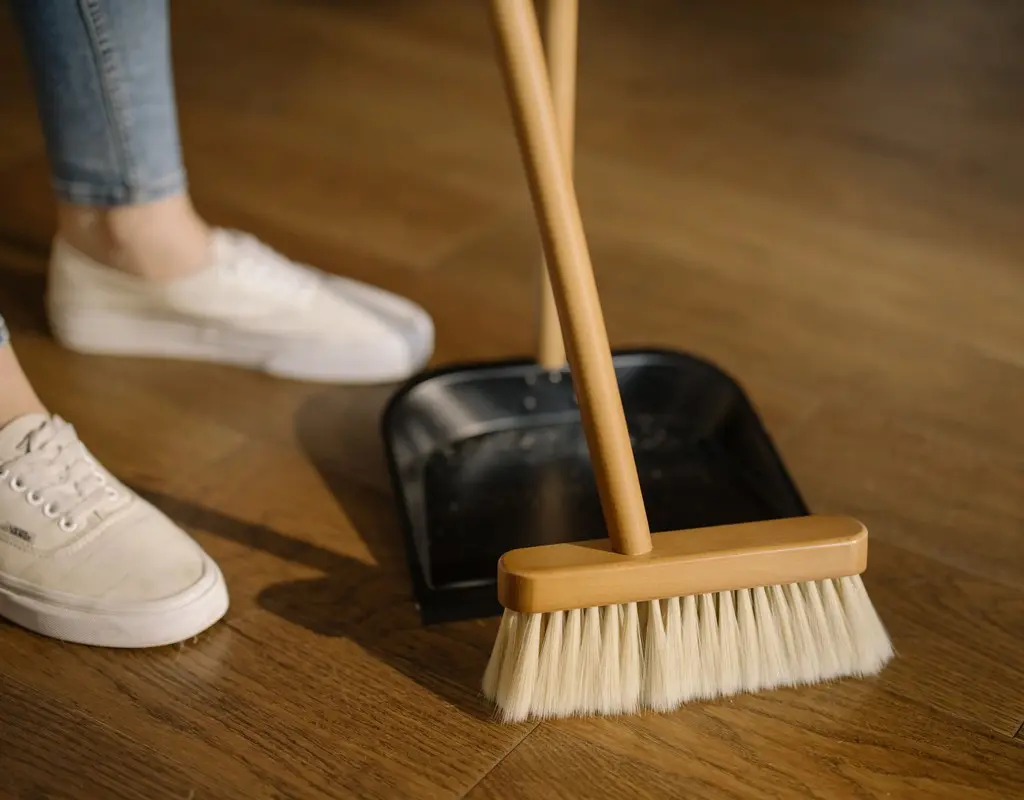
A standard full-length broom seems harmless enough — until you’re trying to find somewhere for it to lean that isn’t blocking a door or a walkway.
Slim, compact brooms — sometimes sold as angled or corner brooms — take up noticeably less closet width, and many come paired with a matching dustpan that clips onto the handle for storage. The combination hangs neatly on the back of a door or slides into a gap a standard broom and separate dustpan would never fit into.
Keep a Stack of Microfiber Cleaning Cloths
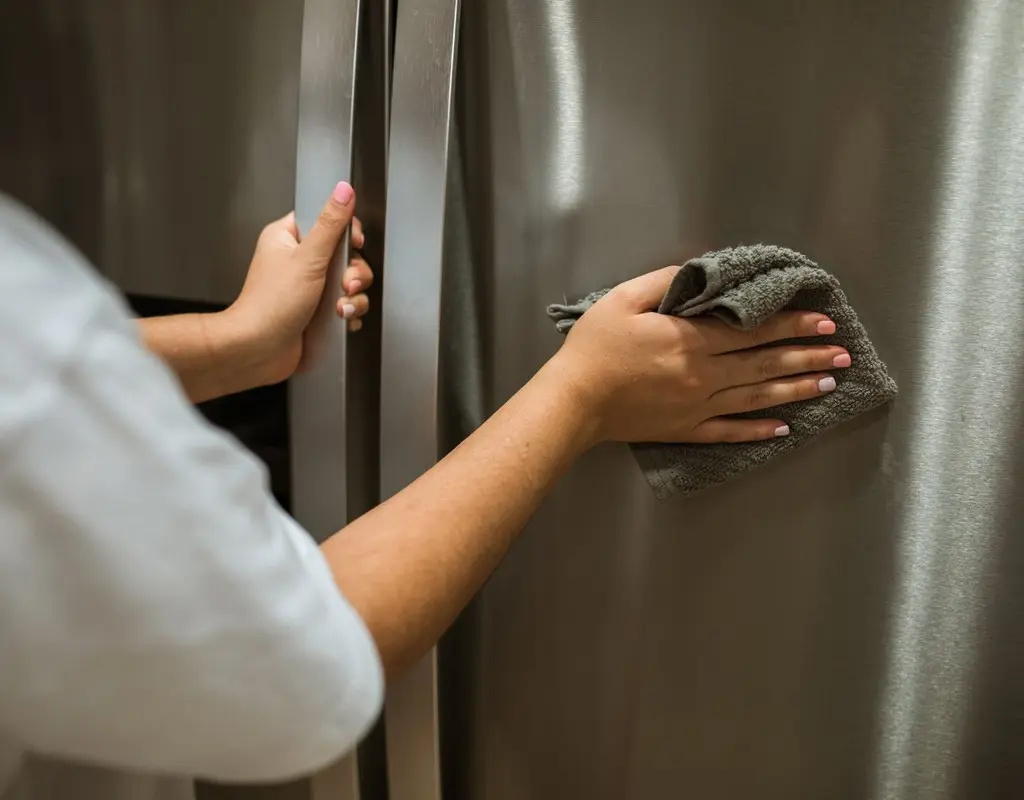
Paper towels handle the same jobs microfiber cloths do, but they generate ongoing waste and need constant restocking — one more item competing for shelf space in a small kitchen or bathroom.
Microfiber cloths cover most everyday wiping — counters, mirrors, spills — in a fraction of the space a roll of paper towels takes up, especially once they’re being washed and reused instead of thrown away. Five or six on hand is usually plenty; a large multi-pack still in its plastic wrap just adds bulk you don’t need yet.
Get an Under-Furniture Cleaning Tool
Dust under a bed, sofa, or low dresser is one of those spots that gets ignored for months, mostly because reaching it means moving furniture that has nowhere else to go.
A flexible or extendable duster made to slide under low furniture solves that without any rearranging. It’s thin enough to store flat in a drawer or hang on a hook, and it takes away the usual excuse for skipping under-furniture spots during a normal cleaning pass.
Try a Collapsible Cleaning Bucket
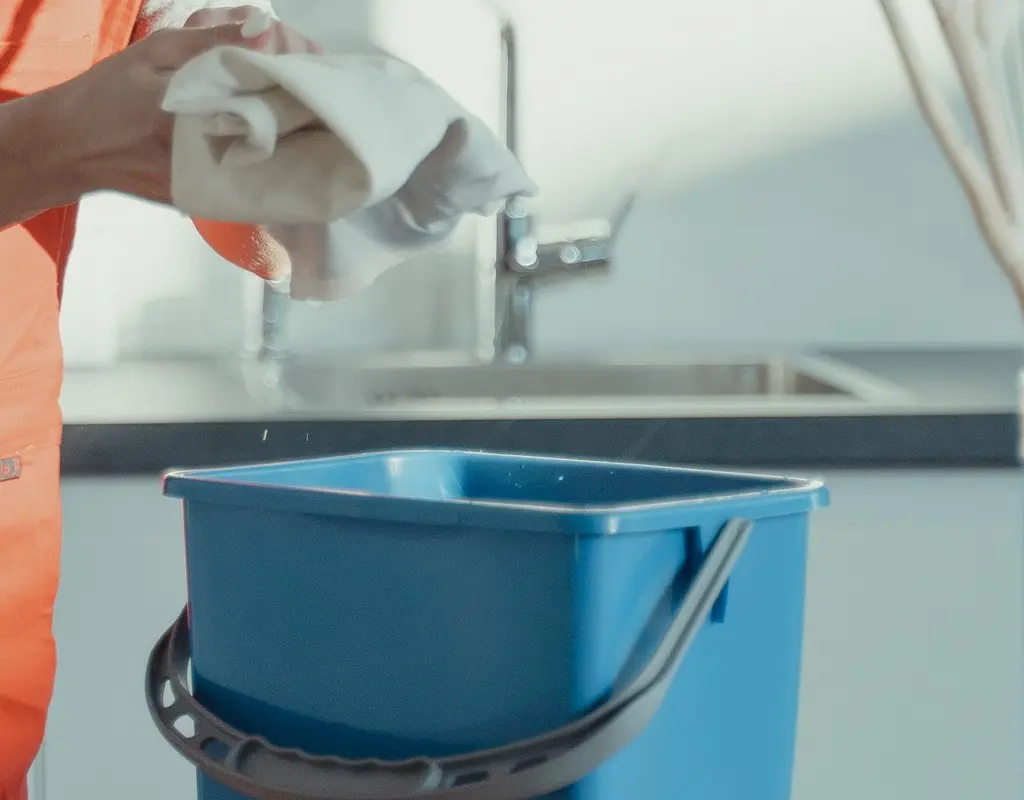
A standard plastic bucket is rigid — meaning it takes up the same cabinet space empty as it does full of water, and it rarely stacks neatly with anything else under a sink or in a closet.
Collapsible buckets, usually made from silicone or reinforced fabric, fold nearly flat when empty and hold their shape once filled. For a small apartment where under-sink or closet space is already tight, this is one of the more noticeable space savers on this list relative to how little it costs.
Choose a Compact Mop
A full-size mop and matching bucket is another pair built for a utility closet — long handle, bulky roller bucket, a footprint that doesn’t fit neatly much of anywhere else.
A compact spray mop or a flat microfiber mop skips the bucket entirely; most spray straight onto the floor from a refillable reservoir built into the handle. That’s not just a smaller version of the same tool — it’s one less item taking up storage altogether.
Use Small Spray Bottles Instead of Full-Size Ones
Standard retail cleaning bottles are sized for a home with a dedicated cabinet to store them in, not a shelf shared with everything else in a small kitchen or bathroom.
Transferring concentrated cleaner into smaller, refillable spray bottles — or buying a concentrate meant to be diluted into one — cuts the shelf footprint down considerably compared to a lineup of full-size bottles, each mostly used for one specific surface. Two or three small, labeled bottles usually cover what a whole shelf of larger ones would.
Add an Over-the-Door Cleaning Organizer
The back of a closet or bathroom door tends to sit empty in most small apartments, and it’s a natural fit for the smaller items on this list — cloths, spray bottles, a slim duster.
An over-the-door organizer with pockets or hooks keeps them visible and within reach without touching a single shelf or inch of floor. It also solves the smaller annoyance of a spray bottle going missing simply because it never had a defined spot to begin with.
What to Measure Before Buying
The most common mistake with small-apartment cleaning gear is buying based on the product photo instead of the actual space it needs to fit. Worth checking before you buy anything on this list:
- The width of your closet or storage gap — a slim broom or vacuum only helps if it fits the specific space you’re planning to store it in, not just “the closet” in general.
- The depth of under-sink or cabinet storage, especially for a collapsible bucket or small spray bottles — a bucket that folds flat still needs a clear width once it’s expanded and in use.
- The door thickness for an over-the-door organizer, particularly if it’s a closet or bathroom door rather than a standard interior one.
- Your floor type — hard flooring and carpet call for different vacuum and mop features, and buying for the wrong one usually just means buying again later.
Small Cleaning Products That Aren’t Worth the Space
Not everything marketed as a small-space solution actually earns its spot. A few tend to create more clutter than they solve:
- Single-surface gadgets — a glass-only spray, a separate wipe brand for every countertop material — solve one narrow problem at the cost of shelf space a multi-purpose product could put to better use.
- “Compact” cleaning caddies that still take up a full shelf once they’re loaded with everything they’re designed to hold, despite the compact branding.
- Novelty tools built for one specific chore that rarely comes up. Most end up stored for months between uses, holding space a more frequently used item could put to work instead.
If a product’s main selling point is a long feature list rather than an actual storage problem it solves, it’s worth asking whether a simpler, more general-purpose version would serve a small apartment better.
Frequently Asked Questions
What’s the best vacuum for a small apartment?
A compact stick vacuum or cordless model usually works best — it takes up far less closet space than a full-size upright and is easier to carry between rooms. A handheld vacuum can be enough on its own if your floors are mostly hard surfaces with light daily mess.
How can I store cleaning supplies without a utility closet?
Over-the-door organizers, under-sink bins, and slim vertical tools like an angled broom or a flat mop make the most of the storage a small apartment actually has, instead of assuming a dedicated closet exists somewhere.
Do I need separate cleaners for every surface?
Not usually. A small set of multi-purpose cleaners in refillable spray bottles handles most everyday cleaning without needing a full shelf of surface-specific products.
What’s the easiest way to clean under furniture in a small apartment?
A flexible or extendable duster built to slide under low furniture reaches those spots without moving anything — which is usually the reason they get skipped in the first place.
Are collapsible cleaning tools durable enough for regular use?
It depends on the specific product and material, so it’s worth checking reviews rather than assuming all collapsible tools hold up the same way. A well-made collapsible bucket or organizer should handle regular use fine, though a cheaper one may wear out sooner than a rigid equivalent would.
Final Thoughts
None of this requires a bigger apartment or a dedicated cleaning closet — just tools chosen for the space you actually have rather than the average-size home most cleaning products are designed around. A slimmer vacuum, a bucket that folds away, an organizer that uses door space instead of shelf space — small choices, but they add up in a home where every inch of storage is already spoken for.
Start with whatever tool currently causes the most storage friction — the vacuum that barely fits the closet, the mop-and-bucket combo eating a full shelf — and replace that one first. The rest can follow whenever it makes sense.
For more ways to make a small apartment work harder, explore our Small-Space Solutions guides.